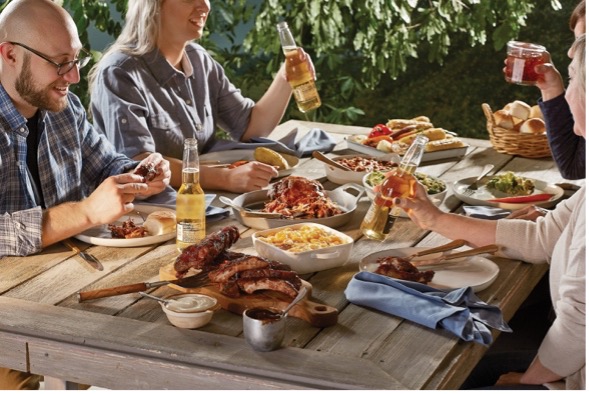
For experienced franchise operators, growth is all about finding the right complement to an existing portfolio. As operators evaluate their next move, many are looking beyond traditional restaurant models and exploring opportunities that offer diversification, operational balance, and new revenue streams. That’s where retail food franchises are gaining attention.
Diversifying Revenue Without Duplicating Risk
Traditional restaurant concepts often rely on similar revenue drivers: dine-in traffic, multiple dayparts, and high labor models. Adding another brand with the same dependencies can increase exposure to the same operational pressures.
A retail food franchise introduces a different dynamic. With a model built around multiple revenue streams—such as retail sales, catering, lunch service, and gifting—operators can expand their business without relying on the same traffic patterns, customer behaviors or long operating hours. This diversification helps balance performance across different seasons and occasions, rather than concentrating risk in a single segment.
A Complement to Existing Operations
For multi-unit operators, portfolio strategy matters. The goal isn’t just growth—it’s balanced growth.
Retail-focused concepts often operate with different peak periods, staffing needs, and customer occasions compared to traditional restaurants. Instead of competing for the same labor pool or relying on late-night hours, these models can offer more flexibility in scheduling and operations. This allows operators to layer in a new concept that complements their existing brands, rather than competing with them internally.
Built Around Recurring Occasions
Another key advantage is how retail food franchises connect with customers. Rather than relying solely on habitual dining occasions, these brands often serve a broader range of needs—holidays, gatherings, corporate events, and everyday meal solutions.
This occasion-based demand creates multiple entry points for customers throughout the year. For restaurant operators, that means building relationships with guests across a variety of moments, not just a single daypart. It also creates opportunities to drive repeat business through catering, gifting, and seasonal promotions.
Operational Efficiency and Scalability
Operators looking to expand their portfolios are also thinking about scalability. Adding complexity with each new unit can quickly become a challenge, especially across multiple brands.
Retail food franchises often benefit from streamlined menus, simplified production processes, and efficient service models. These factors can make it easier to train teams, manage inventory, and maintain consistency across locations. For operators already managing multiple units, this level of operational discipline can be a significant advantage.
A Strategic Addition for Long-Term Growth
As the franchise landscape continues to evolve, experienced operators are taking a more strategic approach to expansion. Instead of adding more of the same, they are looking for concepts that bring something new to their portfolio—whether that’s a different operating model, a broader customer base, or more diversified revenue streams.
Retail food franchises offer exactly that: a way to grow without overextending existing systems.
For those evaluating their next franchise investment, a complementary concept that adds balance, flexibility, and new opportunities can be just as valuable as one that adds scale.